
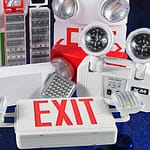
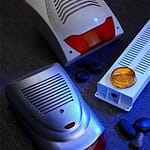


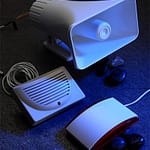
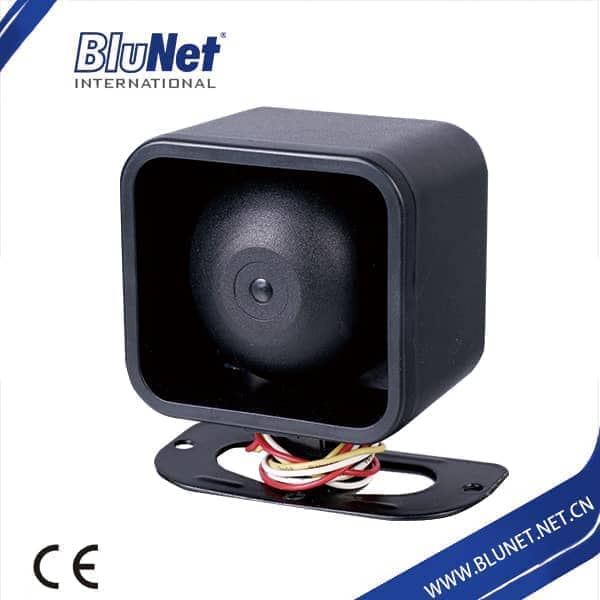
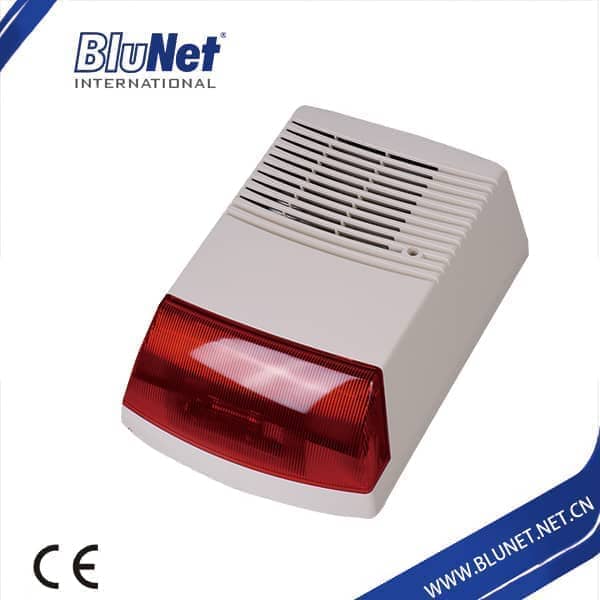
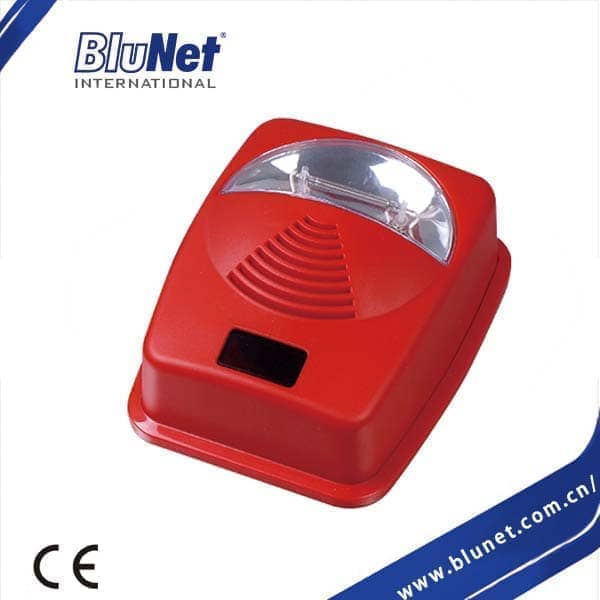

Outdoor sirens, also known as external sirens or outdoor sounders, are audible warning devices used in security and alarm systems to alert people to potential intrusions, emergencies, or other abnormal conditions. Depending on the model, an outdoor siren may provide an audible alarm, a visual warning through a flashing light, or both.
Choosing the right outdoor siren requires more than comparing sound output. Buyers should consider the alarm system’s compatibility, power supply, weather resistance, installation environment, and required warning functions. This guide explains the main types of outdoor sirens, their key specifications, and the factors to evaluate when sourcing a suitable model.
What Is an Outdoor Siren?
An outdoor siren is an alarm signaling device designed for installation outside a building or in another exposed location. It converts an electrical signal into an audible warning and may incorporate a strobe light to provide a visual indication of an alarm condition.
Outdoor sirens are commonly connected to intrusion alarm systems, access control systems, and other electronic security installations. When the connected control panel activates an alarm, the siren produces a warning sound to attract attention and help communicate an emergency.
Unlike indoor alarm sounders, outdoor models must be selected with greater attention to environmental exposure, mounting conditions, and enclosure protection. Their actual performance depends on the product design, installation, and compatibility with the connected system.
Types of Outdoor Sirens
Outdoor sirens are available in several configurations. Understanding their differences helps buyers select a device that meets the requirements of the intended security system.
1. Outdoor Sirens with Strobe Lights
An outdoor siren with a strobe light combines an audible alarm with a flashing visual signal. The sound attracts attention, while the flashing light makes the alarm easier to notice in locations where the sound may be difficult to distinguish or where a visual indication is beneficial.
These devices can be considered for residential security, commercial buildings, warehouses, and other installations requiring combined audible and visual signaling.
Explore BluNet’s siren with strobe light for a product-specific configuration.
2. Outdoor Sirens with Flashers
Outdoor sirens with flashers are designed to provide audible and visual alarm indications in one unit. Depending on the model, the visual component may use an LED or another flashing light technology.
When comparing these products, check the sound output, light visibility, operating voltage, current consumption, and enclosure design. Confirm that both the audible and visual functions meet the requirements of the connected alarm system.
See the outdoor siren with flasher for more information about this configuration. You can also review BluNet’s external siren with flasher.
3. Wired Outdoor Sirens
Wired outdoor sirens connect to an alarm control panel or another compatible control device through electrical wiring. They may be suitable for new installations or buildings where the necessary cabling is already available.
Before purchasing a wired model, verify its supply voltage, current requirements, alarm trigger input, wiring arrangement, and compatibility with the control panel. The connection method should follow the manufacturer’s specifications.

4. Wireless Outdoor Sirens
Wireless outdoor sirens communicate with a compatible alarm system through a wireless connection rather than relying entirely on signal wiring. They may simplify installation where running cables is difficult.
Buyers should check the supported wireless protocol, communication range under actual installation conditions, battery requirements, signal supervision, and compatibility with the existing alarm system. Wireless connectivity should not be assumed to work across different manufacturers or product families.
5. Self-Powered Outdoor Sirens
Some outdoor sirens incorporate an internal battery or backup power source. This design can help maintain alarm signaling during a loss of the primary power supply, depending on the model and its configuration.
When evaluating a self-powered siren, review the backup battery type, charging method, standby duration, alarm operating time, and battery maintenance requirements. Confirm whether the battery is included and whether the device requires a separate external power supply.
Key Outdoor Siren Specifications
Technical specifications determine whether an outdoor siren is suitable for a particular security system and installation environment. Buyers should compare the following parameters before placing an order.
Sound Output and Sound Pressure Level
Sound output is an important factor when selecting an outdoor siren. The required sound level depends on the installation location, ambient noise, distance from the intended listening area, and applicable local requirements.
Compare the specified sound pressure level in decibels (dB) together with its measurement distance and test conditions. Two products cannot be compared accurately using their dB figures alone if the measurement conditions differ.
Consider the building layout, surrounding noise, and potential sound obstructions when evaluating whether a particular siren will provide adequate warning.
Operating Voltage and Current Consumption
The siren’s electrical requirements must match the available power supply and the connected alarm control panel. Common considerations include rated voltage, operating voltage range, standby current, alarm current, and the power requirements of any integrated flashing light.
For a combined sounder and strobe, check the total current consumption when both functions operate simultaneously. The power supply and control panel must be capable of supporting the connected load.
Weather Resistance and Enclosure Protection
Outdoor installations expose alarm devices to rain, humidity, dust, sunlight, temperature fluctuations, and other environmental conditions. An appropriate enclosure helps protect the internal electronics from the conditions specified by the manufacturer.
Check the product’s IP rating, operating temperature range, housing material, mounting arrangement, and installation limitations. An IP rating indicates protection against specified ingress conditions; it does not automatically establish resistance to UV exposure, corrosion, or every outdoor environmental factor.
For coastal, industrial, or otherwise demanding environments, confirm that the enclosure materials and mounting hardware are suitable for the actual conditions.
Backup Battery and Power Failure Protection
Where continued alarm signaling during a power interruption is required, evaluate the available backup power arrangement. Relevant factors include battery capacity, charging requirements, standby consumption, alarm duration, and battery replacement intervals.
Not every outdoor siren includes an internal battery. Confirm the exact configuration rather than assuming that backup power is a standard feature.
Tamper Protection
Some outdoor sirens incorporate tamper switches or other protective features that detect unauthorized opening or removal. These features can be useful in security installations where interference with the alarm device must be monitored.
Check whether tamper detection is supported, how the signal is transmitted to the control panel, and whether additional wiring or configuration is required.
How to Choose the Right Outdoor Siren
Selecting an outdoor siren involves evaluating the complete alarm system rather than choosing a product based on sound output alone. The following steps provide a practical framework for product selection.
1. Define the Application
Identify where the siren will be installed and what it needs to communicate. Residential security, commercial premises, warehouses, and industrial facilities may have different requirements for audible coverage, visual signaling, environmental protection, and system integration.
Establish the installation location, expected operating conditions, and applicable alarm system requirements before comparing products.
2. Choose the Required Alarm Functions
Determine whether an audible alarm is sufficient or whether a combined audible and visual warning is needed. A siren with a strobe light may be appropriate when a visible alarm indication is also required.
For combined units, verify that the sounder and light can operate as intended with the available power supply and control system.
3. Verify Electrical and System Compatibility
Confirm the rated voltage, current consumption, trigger input, wiring arrangement, and connection requirements. For wireless models, verify the communication protocol and supported alarm system.
Do not assume that a siren is compatible with a control panel simply because both devices use the same nominal voltage. The electrical interface and alarm signaling method must also be suitable.
4. Evaluate Environmental Conditions
Review the installation’s exposure to rain, dust, humidity, sunlight, temperature changes, and possible physical interference. Select a device with suitable enclosure protection and an operating temperature range that covers the intended environment.
Correct installation is equally important. Follow the manufacturer’s instructions for mounting, cable entry, sealing, and positioning.
5. Compare Product Specifications
Use the manufacturer’s datasheet to compare the parameters that matter to your application.
| Specification | What to Check |
|---|---|
| Sound output | Sound pressure level, measurement distance, and test conditions |
| Visual signaling | Strobe or flasher availability, visibility, and operating requirements |
| Power supply | Rated voltage, operating range, and current consumption |
| Backup power | Battery type, charging method, standby duration, and maintenance |
| Environmental protection | IP rating, operating temperature, and housing materials |
| System compatibility | Trigger input, wiring, communication protocol, and control panel requirements |
| Security features | Tamper detection and other model-specific protection features |
6. Consider Installation and Maintenance
Check the mounting dimensions, fixing method, cable entry, accessibility, and maintenance requirements. The selected location should provide suitable alarm visibility and sound coverage while allowing the device to be installed and serviced according to the manufacturer’s instructions.
For larger projects, confirm the installation requirements and product compatibility before finalizing the bill of materials.
Outdoor Siren Applications
Outdoor sirens are used in different security environments. The appropriate configuration depends on the alarm system, site conditions, and warning requirements.
- Residential security: External alarm signaling for houses, apartments, and residential properties.
- Commercial buildings: Audible and visual alarm indication for offices, retail premises, and business facilities.
- Warehouses and logistics facilities: Alarm signaling for buildings with large internal or external areas.
- Industrial facilities: External warning devices for suitable security and monitoring systems, subject to the site’s environmental and operational requirements.
- Access-controlled premises: Alarm indication integrated with compatible access control or intrusion detection systems.
For applications involving fire alarms, hazardous areas, or other regulated life-safety functions, select equipment specifically approved for the intended use and applicable regulations. A general-purpose security siren should not be treated as a substitute for certified life-safety signaling equipment.
Outdoor Siren Installation and Compatibility
Correct installation helps ensure that an outdoor siren operates reliably and provides the intended warning. Before installation, verify the manufacturer’s mounting instructions, wiring diagram, supply requirements, and environmental limitations.
- Mounting location: Choose a suitable position that supports effective sound distribution and, where applicable, visibility of the flashing light.
- Environmental exposure: Follow the specified mounting orientation and sealing requirements to maintain the intended enclosure protection.
- Electrical connections: Confirm polarity, voltage, current capacity, and the control panel’s output specifications.
- System integration: Verify that the alarm trigger and any tamper or monitoring functions are compatible with the connected equipment.
- Functional testing: Test the audible alarm, visual signal, backup power, and supported monitoring functions in accordance with the manufacturer’s instructions.
- Maintenance: Inspect the enclosure, mounting hardware, wiring, and battery condition at the recommended intervals.
Installation should be carried out by qualified personnel when required by the equipment instructions or applicable local regulations.
What to Consider When Buying Outdoor Sirens from a Manufacturer
For distributors, security system integrators, and project buyers, purchasing decisions should consider both technical suitability and the supplier’s ability to meet project requirements.
Before requesting a quotation, prepare the following information:
- Required siren type, including whether a strobe light is needed.
- Operating voltage, current requirements, and alarm trigger interface.
- Required sound output and the conditions under which it will be measured.
- Environmental protection requirements and intended installation conditions.
- Backup battery, tamper protection, and other required functions.
- Order quantity, packaging requirements, and delivery destination.
- Applicable certifications, testing documents, and market-specific compliance requirements.
- Any OEM or product customization requirements, where available.
Ask the manufacturer to confirm the exact model configuration, technical datasheet, available options, and compatibility requirements before placing an order. This helps reduce specification mismatches and simplifies project planning.
Explore BluNet Outdoor Sirens
BluNet offers outdoor siren product options for buyers evaluating audible and visual alarm signaling equipment. The appropriate model depends on the required alarm functions, electrical specifications, installation environment, and system compatibility.
Explore the BluNet Outdoor Sirens product category to review available products and identify a suitable configuration for your application.
You can also learn more about the outdoor siren with flasher, or review the specifications of the external siren with flasher and siren with strobe light.
When requesting a quotation, provide your required specifications, application details, estimated quantity, and destination market. This allows the product configuration and technical requirements to be reviewed before an order is confirmed.
3. Wired Outdoor Sirens
Wired outdoor sirens connect to an alarm control panel or another compatible control device through electrical wiring. They may be suitable for new installations or buildings where the necessary cabling is already available.
Before purchasing a wired model, verify its supply voltage, current requirements, alarm trigger input, wiring arrangement, and compatibility with the control panel. The connection method should follow the manufacturer’s specifications.